Do you ever feel like your breath is a ticking time bomb, ready to explode with an unpleasant odor? Well, my friend, that foul breath you’re experiencing may not just be a temporary inconvenience. It could be a sign of a silent threat lurking in your mouth: gum disease. In this article we will discuss how Bad Breath Cause Gum Disease.
Yes, that’s right. Your bad breath could be indicating a more serious oral health issue that needs your attention. In this article, we will explore the intricate link between bad breath and Gum Disease, uncovering the common causes, symptoms, and signs to watch out for. So, buckle up and get ready to dive into the world of bad breath and gum disease. It’s time to take control of your oral health and keep that ticking time bomb at bay.
Understanding Gum Disease: A Silent Threat to Oral Health
Gum disease is like that sneaky friend who silently wreaks havoc on your oral health. It is a silent threat that often goes unnoticed until it’s too late. Understanding gums and the importance of maintaining their health is crucial in preventing gum disease.
Your gums play a vital role in supporting and protecting your teeth, but they can also be the breeding ground for harmful bacteria. When bacteria build up along the gum line, it can lead to inflammation, bleeding, and eventually gum disease. Regular brushing, flossing, and dental check-ups are essential in preventing gum disease. Additionally, avoiding tobacco use and maintaining a healthy diet can also contribute to healthier gums. By taking the necessary steps to understand and care for your gums, you can protect yourself from the silent threat of gum disease.

The Link How Bad Breath Cause Gum Disease
Oral hygiene issues can often lead to the development of unpleasant odors, particularly bad breath. Bad breath, or halitosis, is not only a social concern, but it can also be a sign of gum disease. Gum disease, also known as periodontal disease, is a bacterial infection that affects the tissues surrounding the teeth. When left untreated, it can lead to tooth loss and other serious health complications.
The connection between bad breath and gum disease is closely tied to the oral bacteria at play. These bacteria release malodorous compounds, leading to bad breath. To tackle bad breath stemming from gum disease, it’s essential to target the root problem. A consistent oral hygiene routine, which involves regular brushing and flossing with fluoride toothpaste, coupled with professional cleanings and the use of mouth rinses, can effectively eliminate the bacteria responsible for unpleasant breath. Moreover, upholding a healthy lifestyle, characterized by a balanced diet and the avoidance of tobacco products, also plays a vital role in ensuring lasting oral freshness.
Common Causes of Gum Disease
One common factor contributing to the development of gum disease is the accumulation of plaque and bacteria in your mouth. When you neglect proper oral hygiene, plaque builds up on your teeth and along the gum line. The bacteria in plaque release toxins that irritate and inflame your gums, leading to gum disease.
Inadequate oral hygiene habits can lead to the accumulation of food particles between your teeth, which, in turn, become a fertile ground for harmful bacteria. These bacteria are responsible for producing sulfur compounds, leading to the development of bad breath, also known as halitosis. Beyond affecting your breath, the presence of these bacteria and the ensuing inflammation can have adverse effects on your gum health, making them red, swollen, and susceptible to bleeding. If left unaddressed, gum disease can advance to more severe stages, causing harm to the tissues and bones that support your tooth enamel and overall healthy teeth. Therefore, it is imperative to maintain good oral hygiene practices and schedule regular dental checkups to safeguard your oral health, especially when consuming acidic foods, which can further exacerbate dental issues if not managed properly.

Symptoms and Signs of Gum Disease
Take a moment to examine your mouth closely, and listen to the warning whispers of your gums as they begin to resemble a battleground, with redness, swelling, and bleeding becoming prominent signs of an impending oral storm. Gum disease, also known as periodontal disease, is a common condition caused by a buildup of plaque on the teeth. If left untreated, it can lead to serious complications, such as tooth loss and bone damage.
The primary causes of gum disease encompass poor oral hygiene, smoking, hormonal changes, and specific medications. Treating gum disease usually entails professional cleaning to eliminate plaque and tartar, followed by the adoption of good oral hygiene practices at home. In severe instances, surgery may become necessary to restore the impaired tissues. Promptly addressing gum disease is crucial not only to avert sensitive teeth and the risk of complications but also to maintain strong teeth and overall oral health. Moreover, it can help prevent issues like bad taste associated with the condition and mitigate the impact of sugary foods on oral health, especially in individuals with underlying health conditions.
| Causes | Treatment |
|---|---|
| Poor oral hygiene | Professional cleaning |
| Smoking | Good oral hygiene |
| Hormonal changes | Surgery (in severe cases) |
| Certain medications |
Importance of Good Oral Hygiene
Make sure you grab a toothbrush and toothpaste, because your smile will shine like a diamond when you prioritize good oral hygiene. The importance of regular brushing cannot be stressed enough. Brushing your teeth twice a day for two minutes each time helps remove plaque and bacteria that can lead to gum disease. Use a soft-bristled toothbrush and gentle, circular motions to clean all surfaces of your teeth. Don’t forget to brush your tongue as well, as it harbors bacteria that can cause bad breath.

In addition to brushing, flossing is another crucial step in maintaining good oral hygiene. Flossing helps remove food particles and plaque from between your teeth and along the gum line, areas where a toothbrush cannot reach. To properly floss, wrap the floss around your fingers and gently slide it between each tooth, making sure to go beneath the gum line. Be gentle to avoid injuring your gums.
By incorporating these simple habits into your daily routine, you can prevent gum disease and enjoy a healthy, fresh breath. So, don’t forget to brush and floss regularly for a smile that radiates confidence.
In the context of gum disease and its impact on oral health, it’s important to recognize that persistent bad breath can also be a potential symptom of oral cancer. While bad breath is commonly linked to gum disease and poor oral hygiene, it’s essential to be aware of other possible underlying causes. Regular dental check-ups are crucial for early detection and prevention, not only for gum disease but also for any serious oral health issues, including oral cancer. Maintaining good oral hygiene practices, like daily brushing and flossing, alongside professional cleanings, can aid in reducing the risk of gum disease and, in some cases, help detect and address other oral health concerns like oral cancer. If you notice persistent bad breath or any unusual changes in your oral health, don’t hesitate to consult your dentist for a thorough evaluation and guidance.
Preventive Measures for Gum Disease
Ensuring good oral hygiene habits, such as regular brushing and flossing, can help prevent the development of gum disease. Gum disease, also known as periodontal disease, is caused by the buildup of plaque and bacteria on the teeth and gums. By practicing preventive measures and maintaining good oral health, you can reduce the risk of gum disease and its associated complications.
Along with regular brushing and flossing, it is important to visit your dentist for professional cleanings and check-ups. They can identify early signs of gum disease and provide necessary treatments. Additionally, adopting a healthy lifestyle, including a balanced diet and avoiding tobacco products, can contribute to the prevention of gum disease. Taking these preventive measures will not only help maintain your but also contribute to your overall well-being.
Along with regular brushing and flossing, it is important to visit your dentist for professional cleanings and check-ups. They can identify early signs of gum disease and provide necessary treatments. Additionally, adopting a healthy lifestyle, including a balanced diet and avoiding tobacco products, can contribute to the prevention of gum disease. Taking these preventive measures will not only help maintain your oral health but also contribute to your overall well-being. Remember that staying hydrated by drinking enough water is also essential for good oral health.
Professional Treatments for Gum Disease
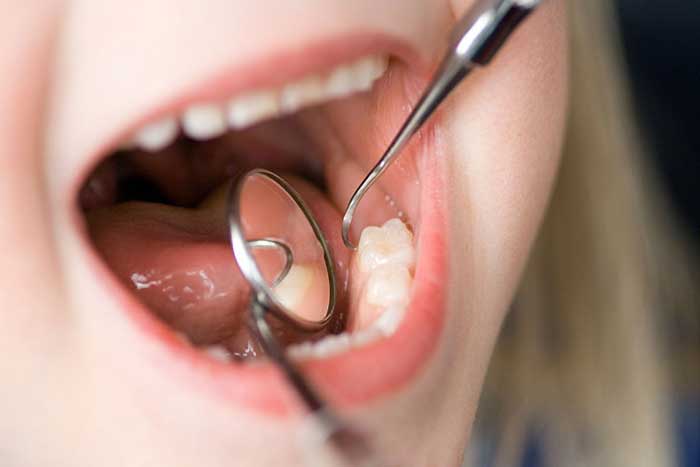
If you think professional and gum disease are just a walk in the park, think again – they will certainly give you something to smile about. When it comes to gum disease prevention, professional treatments play a crucial role in addressing the issue effectively. One common treatment is scaling and root planing, which involves removing plaque and tartar from the teeth and smoothing the root surfaces to prevent bacteria buildup.
If you think professional treatments for receding gum and gum disease are just a walk in the park, think again – they will certainly give you something to smile about. When it comes to gum disease prevention, professional treatments play a crucial role in addressing the issue effectively. One common treatment is scaling and root planing, which involves removing plaque and tartar from the teeth and smoothing the root surfaces to prevent bacteria buildup.
Another option is laser therapy, where a dental laser is used to remove infected tissue and promote healing. In more severe cases, surgical procedures such as gum grafting or flap surgery may be necessary. These treatments are performed by trained dental professionals who have the expertise to identify and address the root causes of gum disease. By seeking professional treatments, you can take proactive steps towards maintaining optimal oral health.
Lifestyle Changes to Improve Gum Health
If you’re looking for ways to improve your gum health and prevent gum disease, there are some lifestyle changes you can make that can have a significant impact. Alongside professional treatments, incorporating natural remedies into your oral care routine can be beneficial. Natural remedies such as oil pulling with coconut oil or using aloe vera gel can help reduce plaque buildup and inflammation in the gums.
Maintaining good oral hygiene practices, such as brushing twice a day and flossing daily, is crucial for . Regular dental cleanings are also essential, as they can remove tartar buildup and detect any early signs of gum disease. By combining these lifestyle changes with professional dental care, you can take proactive steps towards improving your gum health and preventing gum disease. Tooth sensitivity is the main symptom of gum disease.
Maintaining good oral hygiene practices, such as brushing twice a day and flossing daily, is crucial for gum health. Regular dental cleanings are also essential, as they can remove tartar buildup and detect any early signs of gum disease. By combining these lifestyle changes with professional dental care, you can take proactive steps towards improving your gum health and preventing gum disease. Water is essential not only for your overall well-being but also for your oral health. Drinking enough water helps in rinsing away food particles and bacteria that can contribute to gum disease. Remember, staying hydrated with an adequate intake of water can make a significant difference in maintaining optimal gum health and overall oral well-being.
https://arrowhead-dental.net/tooth-sensitivity-and-gum-disease/
Dietary Choices for Healthy Gums
One way to support healthy gums is by incorporating nutrient-rich foods into your diet. By making the right dietary choices, you can promote good oral health and reduce the risk of gum disease. Here are some foods that can benefit your gums:
- Leafy green vegetables::These are packed with vitamins and minerals that help strengthen gums and prevent inflammation.
- Citrus fruits: Oranges, lemons, and grapefruits are high in vitamin C, which promotes collagen production and helps fight gum disease.
- Dairy products: Milk, cheese, and yogurt contain calcium and phosphorus, which strengthen teeth and protect against gum disease.
- Fish: Fatty fish like salmon and sardines are rich in omega-3 fatty acids, which reduce inflammation and support gum health.

By incorporating these foods into your diet, you can improve your overall oral health and reduce the risk of gum disease. Remember to maintain a balanced diet and practice good oral hygiene for optimal results.
Maintaining Fresh Breath and Healthy Gums
To keep your breath smelling fresh and your gums in tip-top shape, it’s important to brush and floss regularly and pay attention to your overall oral hygiene. In addition to these basic steps, there are some additional tips and natural remedies you can incorporate into your routine to maintain fresh breath and healthy gums.
One effective way to combat bad breath is to use a tongue scraper. This simple tool helps remove bacteria and debris from your tongue, which can contribute to bad breath. Another option is to rinse your mouth with an alcohol-free mouthwash that contains natural ingredients like peppermint or tea tree oil. These ingredients can help freshen your breath and kill bacteria that can lead to gum disease.
Additionally, there are some natural remedies that can help freshen your breath. Chewing on fresh herbs like parsley or mint can temporarily mask bad breath. Drinking green tea can also help reduce the bacteria in your mouth and freshen your breath.
By incorporating these fresh breath tips and natural remedies into your routine, you can maintain fresh breath and promote healthy gums.
Frequently Asked Questions
Can bad breath be a sign of other oral health issues besides gum disease?
Bad breath can indicate other oral health issues besides gum disease. It can be a sign of poor oral hygiene and can also be related to tooth decay. Maintaining good oral hygiene is crucial to prevent these problems.
How long does it typically take for gum disease to develop?
The typical timeline for gum disease development varies, but it usually takes several years for symptoms to become noticeable. Factors that can accelerate the progression of gum disease include poor oral hygiene and certain medical conditions.
Are there any specific medications that can contribute to the development of gum disease?
Did you know that certain medications can increase your risk of developing gum disease? In fact, studies have shown that some medications, such as anticonvulsants and immunosuppressants, can contribute to the development of gum disease.
Can stress and anxiety have an impact on the occurrence of gum disease?
Stress and anxiety can have a significant impact on your oral health, including the development of gum disease. Research has shown a strong relationship between anxiety levels and the occurrence of gum disease.
Are there any natural remedies or alternative treatments that can help prevent or treat gum disease?
There are several natural remedies and alternative treatments available that can help prevent and treat gum disease. These include oil pulling, herbal mouthwashes, aloe vera gel, and proper oral hygiene practices.
Outcome
Taking care of your oral health is crucial to prevent gum disease and bad breath. Did you know that nearly 50% of adults over the age of 30 suffer from gum disease? This statistic highlights the widespread issue and emphasizes the importance of maintaining good oral hygiene. By practicing regular brushing, flossing, and visiting your dentist regularly, you can significantly reduce your risk of gum disease and keep your breath fresh and your gums healthy. Remember, prevention is key when it comes to oral health!