Are you experiencing the discomfort of a loose tooth? Don’t fret! You can take action to Temporarily Tighten A Loose Tooth At Home. By following a few simple steps, you can alleviate pain and promote stability until you are able to seek professional dental advice. Maintaining good oral hygiene is key to preventing further movement and potential damage. Additionally, avoiding hard and sticky foods will help protect your loose tooth from unnecessary strain. To provide relief, consider using a saltwater rinse or applying a cold compress to reduce inflammation. Clove oil can also be used for pain relief during this temporary period. Remember, it’s crucial to monitor the progress of your loose tooth closely and seek professional dental care as soon as possible. By taking these proactive measures, you are actively participating in the health and well-being of your teeth while fostering a sense of belonging in your dental care routine. When facing the concern of a loose tooth at home, especially a permanent tooth, it’s essential to address it promptly to preserve dental health and healthy teeth. Loose teeth can sometimes result from factors like plaque buildup or even underlying periodontal disease, which may lead to issues like tooth loss and bone loss, affecting the connective tissue. While home remedies can temporarily tighten a loose tooth, such as gently wiggling it back into place and maintaining proper oral hygiene to minimize plaque buildup, seeking professional dental care is crucial. Dentists can provide the necessary guidance and treatment to ensure the long-term health of your teeth, addressing any underlying issues that may contribute to loose teeth and promoting a confident smile.
Maintaining Good Oral Hygiene

Taking care of your pearly whites is crucial, so make sure you’re brushing and flossing regularly to maintain good oral hygiene. Preventing tooth decay is key in keeping your teeth strong and healthy. Brushing your teeth at least twice a day using the proper technique can help remove plaque and prevent cavities. Start by placing your toothbrush at a 45-degree angle against your gums, gently moving it back and forth in short strokes. Be sure to brush all surfaces of your teeth, including the outer, inner, and chewing surfaces. Don’t forget to brush your tongue as well to remove bacteria that can cause bad breath. Additionally, flossing daily helps remove food particles stuck between your teeth that brushing alone may not reach. By practicing these habits consistently, you’ll be able to maintain good oral hygiene and keep your teeth in tip-top shape. Temporarily addressing a loose tooth at home is essential for maintaining adult teeth and preventing oral disease. While home remedies can provide relief, it’s vital to consider the underlying causes. Bone grafting and bone density are crucial factors to evaluate, as they can influence tissue regeneration and overall dental health. Dental emergencies, such as a loose tooth causing gum pain, should prompt a visit to a dentist for professional assessment and appropriate treatment. Addressing the issue promptly can help preserve adult teeth and prevent further dental complications, ensuring a healthy and confident smile for the long term.
Avoiding Hard and Sticky Foods

Indulging in chewy caramels or biting into an unyielding jawbreaker may just be a dentist’s secret wish to witness a tooth disaster unfold. To avoid putting unnecessary strain on your loose tooth, it is crucial to steer clear of hard and sticky foods. Crunchy snacks like popcorn kernels and hard candies can easily worsen the condition of your tooth, leading to further discomfort. Instead, opt for softer alternatives like yogurt or mashed potatoes that won’t exert too much pressure on the loose tooth. Additionally, cutting food into small pieces before consuming can also help minimize any potential damage. By making these simple adjustments to your eating habits, you can prevent aggravating your loose tooth and promote its temporary stability until you can seek professional dental care. When facing the challenge of temporarily tightening a loose tooth at home, it’s crucial to consider potential underlying issues, such as deep pockets and bacterial growth around the affected area. These factors can lead to bad taste and gum recession, causing discomfort. While home remedies can provide temporary relief, it’s essential to consult a dentist for professional guidance and treatment options, including dental splints and barrier membranes, if needed. These dental treatments can address the root causes of the issue and prevent further dental injury, ensuring the long-term health of your teeth and overall oral well-being.
Using a Saltwater Rinse
Switching up your usual routine, you can try using a simple saltwater rinse to soothe any discomfort in your mouth. A saltwater rinse is an effective and inexpensive way to temporarily tighten a loose tooth at home. If you’re looking to temporarily tighten a loose tooth at home, a saltwater rinse can be a helpful remedy. Gargling with a saltwater solution can soothe the gum tissue surrounding the loose tooth, providing some relief. Additionally, black pepper, with its potential anti-inflammatory properties, may be applied gently to the affected area for temporary relief. Considering vitamin D supplements, which contribute to overall oral health and bone strength, could also be beneficial. However, it’s essential to remember that these home remedies are temporary solutions. For a lasting and professional approach, consulting a dentist is recommended, as they can evaluate the condition and provide appropriate treatment, such as root planing, to address the underlying causes of tooth looseness.
Here are some benefits of using a saltwater rinse:
- Reduces inflammation: The natural antiseptic properties of salt help reduce swelling and inflammation around the loose tooth.
- Promotes healing: Saltwater rinses create an environment that promotes healing by removing harmful bacteria from the affected area.
- Relieves pain: The mild saline solution can provide temporary relief from tooth sensitivity and pain associated with a loose tooth.
- Improves oral hygiene: Regular use of saltwater rinses can help maintain good oral hygiene by reducing bacteria and preventing infections.
- Easy to make at home: You can easily make a saltwater rinse by dissolving half a teaspoon of salt in warm water.
If you prefer alternatives to saltwater rinses, there are other options like hydrogen peroxide mouthwash or herbal mouthwashes available on the market.

Applying a Cold Compress
Applying a cold compress to your mouth can provide instant relief for any discomfort you may be experiencing. When a tooth becomes loose, it can cause significant pain and make it difficult to eat or speak properly. By applying a cold compress, you can temporarily tighten the loose tooth and reduce gum inflammation. The cold temperature helps to numb the area, providing immediate relief from any pain or sensitivity you may be feeling. Additionally, the cold compress constricts blood vessels in the gums, reducing swelling and promoting stability in the loose tooth. To apply a cold compress, simply wrap an ice pack or a bag of frozen vegetables in a thin cloth and hold it against the affected area for 15-20 minutes at a time. Remember to take breaks in between applications to avoid damaging your skin with excessive coldness. Click here another article about treating gingivitis at home
Using Clove Oil for Pain Relief

Looking for a quick and effective way to relieve your tooth pain? Try using clove oil, an all-natural remedy that can provide immediate relief and soothe your discomfort. Using clove oil for toothaches has been a popular practice for centuries due to its numerous benefits. Clove oil contains eugenol, a compound with powerful analgesic properties that help numb the area around the tooth, reducing pain sensation. It also has anti-inflammatory qualities that can alleviate swelling and redness in the gums. Applying clove oil directly to the affected tooth can provide temporary relief while you wait for professional dental care. Remember to dilute it with a carrier oil like coconut or olive oil before use, as undiluted clove oil may cause irritation. Give this natural remedy a try and experience the benefits of using clove oil for dental pain today!
Trying a Tea Bag Compress

If you’re looking for an alternative home remedy to temporarily tighten a loose tooth, you might want to consider trying a tea bag compress. Tea bags are not only great for making a warm and comforting beverage, but they also have some surprising benefits when it comes to oral health. The tannins found in tea can help reduce inflammation and provide temporary relief from pain associated with a loose tooth. To try this method, simply steep a tea bag in hot water for a few minutes, then remove it and allow it to cool slightly. Once it’s cooled down, place the warm tea bag against the affected area for about 15-20 minutes. This can help soothe any discomfort and may provide some temporary tightening of the tooth until you can see your dentist for further treatment.
Using a Dental Wax or Orthodontic Wax To
Using dental wax or orthodontic wax can provide a protective barrier and create a smooth surface, like a cozy blanket for your mouth, to prevent irritation from braces or other dental appliances. Dental wax is commonly used by individuals with braces to alleviate discomfort caused by brackets or wires rubbing against the inside of their cheeks and lips. It works by forming a cushion between the appliance and soft tissues, reducing friction and soreness.
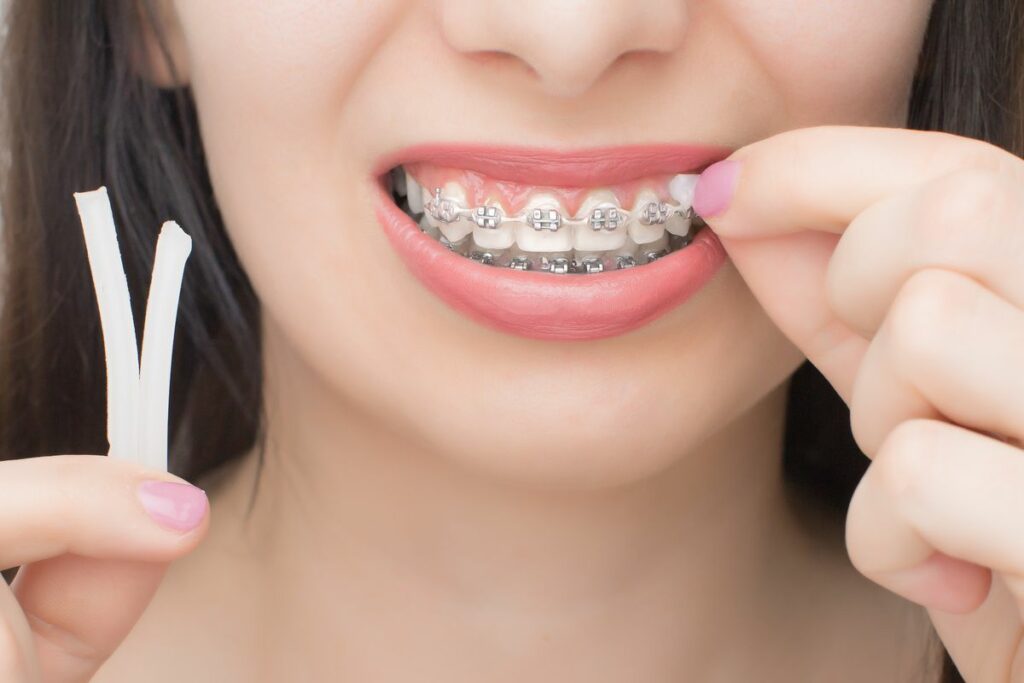
Orthodontic wax can also be applied to loose teeth as a temporary measure to stabilize them. To properly use orthodontic wax, start by washing your hands thoroughly before tearing off a small piece of wax and rolling it into a ball. Then, carefully press the ball onto the loose tooth or bracket until it adheres securely. Remember to replace the wax regularly and consult your dentist if you experience persistent looseness in your tooth.
Seeking Professional Dental Advice
Now that you have tried using dental wax or orthodontic wax to temporarily tighten your loose tooth, it is important to consider seeking professional dental advice. While home remedies can provide temporary relief, they may not address the underlying cause of your loose tooth. By consulting with a dentist, you can gain valuable insight into your specific situation and receive personalized recommendations for treatment. Seeking second opinions from different dental professionals can also be beneficial as it allows you to explore alternative treatments and ensure that you are making an informed decision about your oral health. Remember, dentists have the expertise and experience necessary to accurately diagnose and treat loose teeth, so reaching out for their guidance is crucial in finding a long-term solution that will help restore stability and prevent further damage.

Avoiding Excessive Tooth Movement
To avoid excessive tooth movement, it’s important to maintain good oral hygiene and follow your dentist’s advice on wearing retainers after orthodontic treatment. For example, a patient who had braces for two years and failed to wear their retainer consistently experienced significant shifting of their teeth within six months, resulting in the need for additional orthodontic treatment.
In order to prevent tooth decay and maintain proper dental alignment, it is crucial to brush your teeth at least twice a day with fluoride toothpaste and floss daily. This will help remove plaque and bacteria that can cause gum disease and weaken the supporting structures of your teeth. Additionally, make sure to visit your dentist regularly for professional cleanings and check-ups.
Furthermore, avoiding habits such as nail-biting or chewing on hard objects can also help prevent excessive tooth movement. These habits put unnecessary stress on your teeth, leading to potential loosening or shifting.
By practicing good oral hygiene habits and following your dentist’s recommendations, you can minimize the risk of excessive tooth movement and maintain a healthy smile.
Applying a Tooth Splint To Temporarily Tighten A Loose Tooth At Home
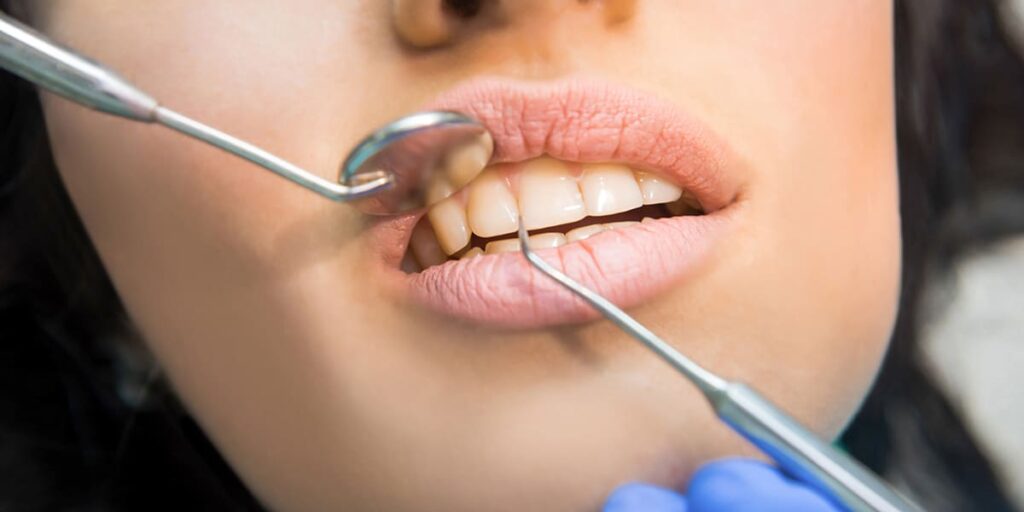
By applying a tooth splint, you can effectively stabilize and support a damaged or fractured tooth, promoting proper healing and preventing further complications. A tooth splint is a device that holds the loose tooth in place by attaching it to neighboring teeth. Here are some key points about the effectiveness of tooth splints:
- Tooth splints provide stability: By holding the loose tooth in place, a splint helps prevent excessive movement during activities like chewing or speaking.
- Splints promote healing: By reducing movement, a splint allows the damaged tissues around the loose tooth to heal properly.
- Alternatives to tooth splints: In some cases, your dentist may suggest alternatives such as dental bonding, veneers, or braces to address the issue of a loose tooth.
- Consult with your dentist: It’s important to consult with your dentist who can evaluate your specific situation and recommend the most suitable treatment option for you.
Remember, seeking professional dental advice is crucial for proper diagnosis and treatment of any dental concerns.

Monitoring the Progress of the Loose Tooth
Throughout this entire process of stabilizing your damaged tooth, it’s important to keep a close eye on how things are progressing. By monitoring the progress of the loose tooth, you can assess whether the treatment is effective and make any necessary adjustments. Tracking progress involves paying attention to signs of improvement. One key indicator is reduced mobility or movement of the tooth. As the tooth tightens, you should notice less wiggling or shifting when applying gentle pressure. Additionally, look out for decreased pain or discomfort in the affected area. This can indicate that the splinting technique is working and providing the necessary support to stabilize the loose tooth. Remember to regularly check for these signs as you continue with your home treatment plan to ensure that your efforts are yielding positive results.

Frequently Asked Questions
Can I use any type of salt for the saltwater rinse?
Yes, you can use different types of salt for a saltwater rinse. However, the effectiveness may vary depending on the type of salt used. It’s best to use sea salt or table salt for better results.
How long should I apply the cold compress for?
It is safe to leave a cold compress on a loose tooth for about 10-15 minutes at a time. Other home remedies that can help temporarily tighten a loose tooth include using tea bags or clove oil.
Can I use any type of tea bag for the tea bag compress?
You can use any type of tea bag for a tooth compress, but certain types may offer additional benefits. Chamomile and green tea are known for their anti-inflammatory properties, which can help reduce swelling and discomfort.
How often should I apply the dental wax?
Apply dental wax to the loose tooth as needed for comfort and protection. It typically lasts for a day or two before needing to be reapplied. Remember to remove it before eating or brushing your teeth.
What are the signs that indicate I should seek professional dental advice?
If you notice a loose tooth, it is important to see a dentist as soon as possible. Common causes of a loose tooth include gum disease, trauma, and teeth grinding. Don’t delay seeking professional dental advice.
Conclusion
In conclusion, it is a matter of ultimate care to temporarily tighten a loose tooth at home requires a combination of self-care and seeking professional advice. By maintaining good oral hygiene, avoiding certain foods, and using natural remedies like saltwater rinses and clove oil for pain relief, you can provide temporary relief to your loose tooth. However, it is important to remember that these measures are only temporary solutions. Seeking the guidance of a dental professional is essential to ensure proper treatment and prevent further complications. So don’t hesitate to reach out for expert help in securing your dental well-being!