Periodontal disease, also known as gum disease, is a chronic bacterial infection that affects the gums and supporting structures around the teeth. It progresses through various stages, starting with the mildest form known as gingivitis and advancing to periodontitis if left untreated. During the initial stages, the disease may cause redness, swelling, and bleeding of the gums, but it can eventually lead to severe gum recession, tooth loss, and even bone damage. Understanding the different periodontal disease stages and is crucial for timely diagnosis and appropriate treatment, as it can help prevent further complications and preserve oral health..
Advanced periodontitis

Advanced periodontitis is the most severe stage of periodontal disease. It can cause a significant amount of destruction to the supporting structures of the teeth, such as the gum tissue, periodontal ligament, and alveolar bone. At this stage, there can be severe attachment loss between the gums and teeth, causing a deep pocketing between them. This pocket allows bacteria to accumulate and cause further destruction, as well as the loss of teeth. The treatment for this stage of periodontal disease is focused on eliminating bacteria from the pocketing area and repairing the damage that has already occurred.
Earliest stage
The earliest stage of periodontal disease is known as gingivitis. Gingivitis is an inflammation of the gums that can be caused by plaque and bacteria build up on the teeth. Symptoms of gingivitis include red, swollen, and bleeding gums, bad breath, and sensitivity to hot and cold temperatures. If left untreated, gingivitis can lead to more serious forms of periodontal disease. The treatment for gingivitis is typically focused on removing the plaque and bacteria build up through a professional teeth cleaning, as well as changes to oral hygiene habits.
Moderate periodontitis
Moderate periodontitis is a stage of periodontal disease that occurs when the gum tissue has become severely damaged by bacteria. At this stage, the gums may appear red and swollen, and they may bleed easily when one brushes or flosses their teeth. The pockets between the teeth and gum line are likely to be deepened, which can lead to further accumulation of harmful bacteria.
Signs of gum disease
Gum disease can range from mild to severe, depending on the stage. The most common symptoms of gum disease include red, swollen, and tender gums; receding gums; and bleeding when brushing or flossing. As the disease progresses, more serious signs may appear, such as bad breath (halitosis), loose teeth, pus around the teeth and gums, and a shifting of the teeth due to bone loss.
Periodontal pockets
Periodontal pockets are a hallmark sign of periodontal disease, which is an infection and inflammation of the gums and surrounding tissue that supports the teeth. Periodontal pockets form when bacteria and plaque accumulate in the space between the tooth and gum line, causing the gums to become swollen. This can cause deep gaps to form between the tooth and gum line, creating what’ s known as periodontal pockets. If left untreated, these pockets can become deeper and trap more bacteria, leading to further destruction of the soft tissue and bone around the teeth.
Periodontal probe

A periodontal probe is an instrument used by dental professionals to measure the depth of pockets between the teeth and gums. This measurement is essential in determining the stage of periodontal disease a patient may be suffering from. The probe has a rounded tip and measures depths up to 6mm.
The first stage of periodontal disease is gingivitis, which is characterized by red, swollen, and bleeding gums. If not treated, the condition can progress to advanced periodontitis, which can cause a significant amount of destruction to the supporting structures of the teeth. Signs of gum disease include receding gums, bad breath, and loose teeth. Periodontal pockets are a hallmark sign of periodontal disease and are measured with a periodontal probe to determine the severity of the condition.
Untreated periodontal disease can have far-reaching implications for a person’s health. In addition to tooth loss, the condition can also increase one’s risk of developing other serious medical conditions such as heart disease and diabetes. Moreover, people with periodontal disease may experience difficulty in eating and speaking due to the pain associated with the condition. As such, early diagnosis and treatment of periodontal disease is essential in order to prevent more serious complications.
Human periodontal disease stages
Human periodontal disease stages vary in severity, and their treatment options depend on the extent of the condition. In the early stages, maintaining excellent oral hygiene practices, including regular cleanings, is key to preventing health complications. However, as the disease progresses, bone loss becomes a concern, potentially leading to severe periodontitis. At this stage, deep cleaning and pocket reduction surgery may be necessary to address gum infections and halt further loss of bone structures. In severe cases, bone grafts might be recommended to restore the damaged areas. Periodontal health is crucial, as untreated periodontal disease can lead to various health issues. Proper dental care and frequent check-ups are essential in managing and preventing the progression of periodontal disease, ensuring a healthy smile and overall well-being.
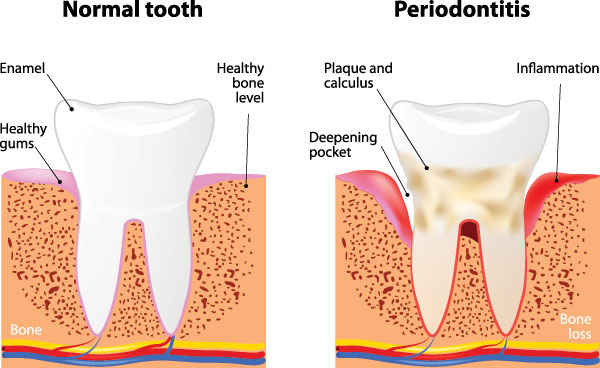
Periodontal disease stages are categorized according to the depth of disease and severity. Advanced stages are more serious and require advanced treatment methods to control the disease. People with advanced stages will have deep pockets and red, swollen gums, and their teeth will be looser and more painful.
Eventually, they may need to undergo periodontal surgery. Advanced periodontal disease may also lead to other health problems, including heart disease and diabetes.
Periodontitis is a typical oral infection that affects millions of people worldwide. About 10% of the adult population is susceptible to the severe stages of periodontal disease. The remainder of the population varies between the two extremes. This disease is a significant public health problem because it causes tooth loss, reduces chewing function, and impairs quality of life. The stages of human periodontal disease have far-reaching implications for overall health, extending beyond the mouth. Moderate gum disease not only poses risks for oral health but also raises concerns about cardiovascular disease. As periodontal disease progresses, it can lead to bone loss and additional complications. Maintaining bone growth and preserving dense bone tissues become increasingly important in combating the effects of periodontal disease. Licensed professionals play a crucial role in addressing these issues, offering treatments that range from deep cleanings to bone grafts. Understanding the interplay between oral health and systemic well-being underscores the significance of managing periodontal disease at every stage for a healthier, more holistic life.
Click here to know more about periodontal disease reversal
So, to assist you in recognizing gum disease before it worse, below is a comprehensive explanation of its 4 stages:
Stage 1: Gingivitis
Gingivitis is the 1st stage of periodontal disease that can cause tooth loss if left untreated. The earlier stages of the disease are marked by red, swollen gums that may bleed easily. In more advanced matters, the gums pull away from the teeth and form pockets where bacteria can grow and cause further damage. If gingivitis is not treated, it can lead to Periodontitis, an even more serious form of gum disease.
Stage 2: Initial Periodontitis
The deeper periodontal structures, or the tissues that connect the teeth to the bone, are affected by gingivitis at this stage, which causes early or beginning bone loss. One in ten people develops full-blown Periodontitis, which causes severe bone loss.
Stage 3: Mild Periodontitis
Due to ongoing bone and tissue degeneration, the third stage of gum disease causes considerable bone loss (20 to 50%) on the teeth’ roots’ surfaces. Periodontal disease is “cyclical” in that it passes through phases with peaks in activity and troughs in which the body is trying to heal itself. It is referred to as persistent inflammation or frustrated healing.
Stage 4: Progressive Periodontitis
In stage 4 of periodontal disease, the gums have receded significantly and may even expose the tooth’s root. Bone loss is extensive, and there is significant tooth mobility. Teeth may loosen and eventually fall out.

Treatment for stages
Periodontal disease, also known as gum disease, is a common and serious oral health condition caused by bacteria in the mouth. Periodontal disease affects the gums and bones that support the teeth and can lead to tooth loss if left untreated. It is important to treat periodontal disease at all stages so that it does not progress to a more severe form. Treatment for each stage of periodontal disease will vary, but can include deep cleaning, pocket reduction surgery, antibiotics, and bone grafts.
Those who are diagnosed with periodontal disease should seek immediate treatment to help manage the condition. Good oral hygiene, such as brushing twice a day and flossing daily, is essential for controlling bacteria and preventing further damage. Additionally, regular trips to the dentist can help identify any signs of periodontal disease before it becomes more severe.
For those with mild periodontal disease , a professional cleaning may be sufficient to help restore oral health. Those with more severe forms of the condition may require deeper cleanings, antibiotics, or even surgery. Consulting with a periodontist can help determine the best course of treatment.

Frequently Asked Questions
What are the signs and symptoms associated with gingivitis?
Swelling, redness, and bleeding during brushing or flossing are common signs and symptoms of gingivitis.
What is the difference between gum recession and periodontal disease?
Gum recession is when the gum line pulls away from the tooth surface, exposing more of the tooth’s root, while periodontal disease is an infection that affects tissues supporting the teeth.
What are some risk factors for developing human periodontal disease?
Some risk factors for developing human periodontal disease include smoking, diabetes mellitus, poor oral hygiene habits, faulty restorations (fillings), age, genetics etc
The bottom line
If you’ve been wondering what human periodontal disease is, how it progresses, and the stages of severity, you’re in luck. This article has outlined everything you need to know about Periodontal Disease Stages. Early diagnosis is key to controlling more serious problems down the road. If you think you may be experiencing early signs or symptoms of gingivitis, please get in touch with your dentist for a consultation as soon as possible.